Paula’s story
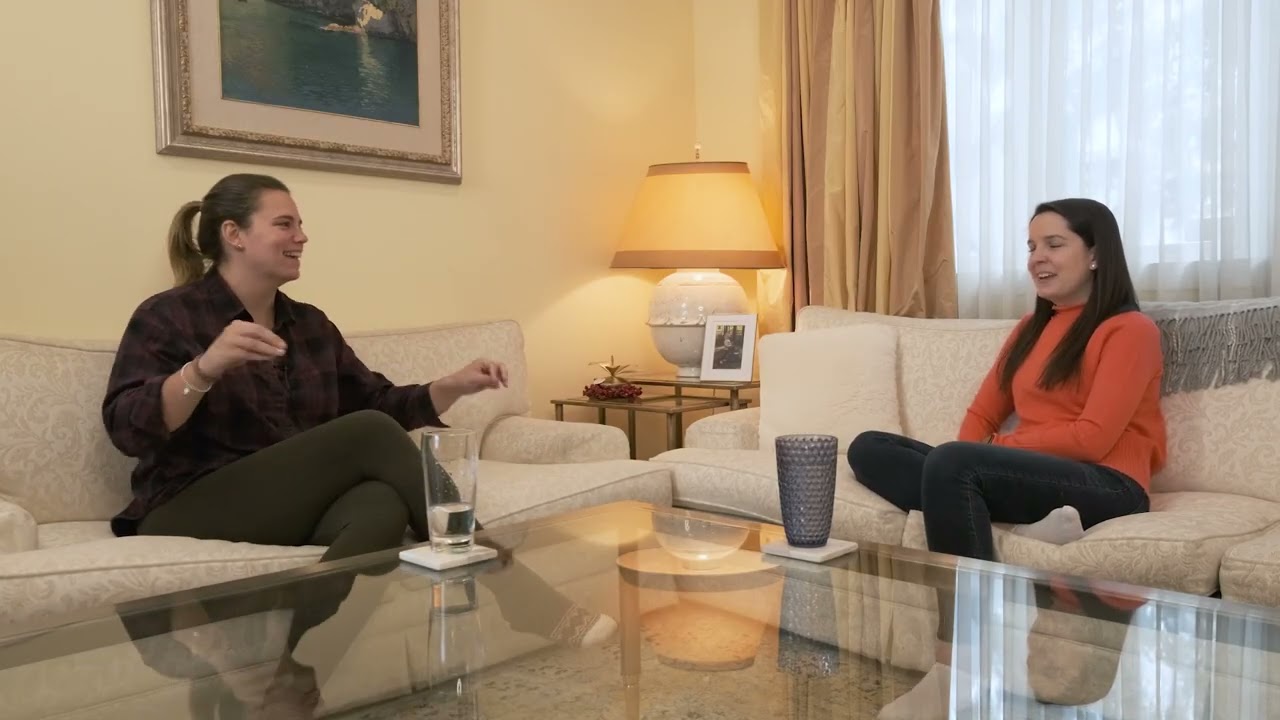
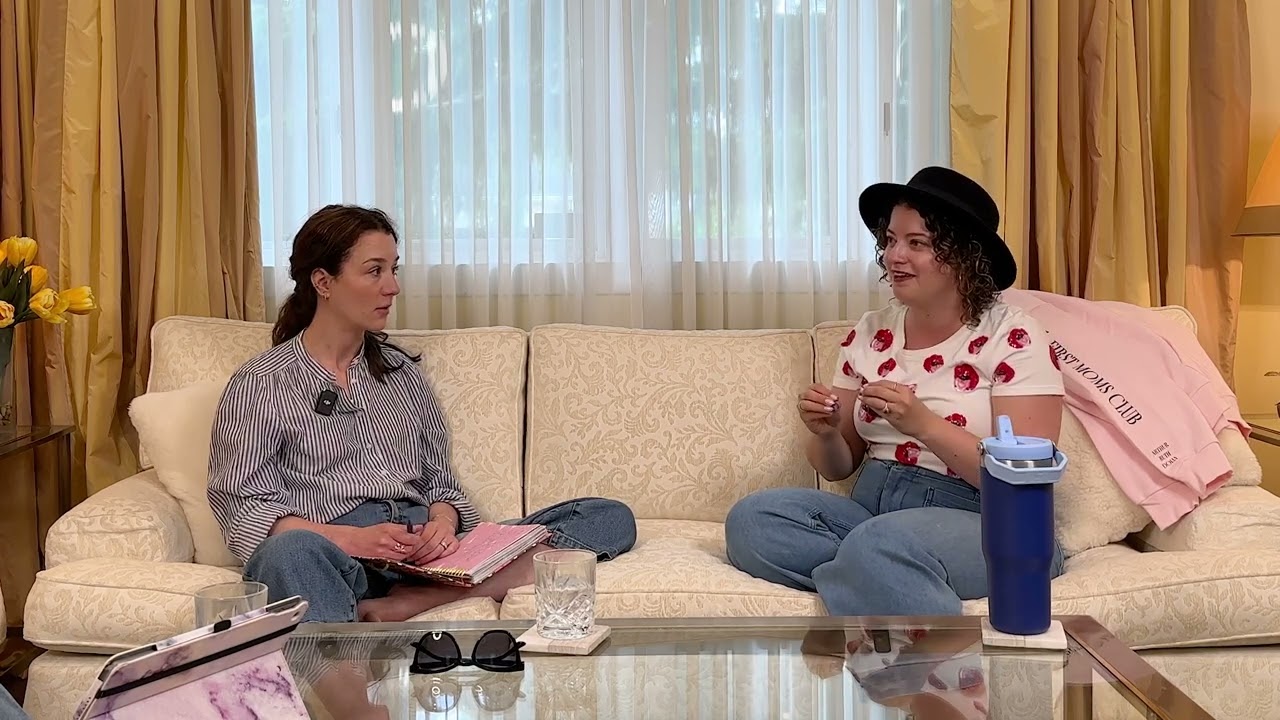
I never had to experience the loss of a child in any way, shape or form, so my tale will be pretty short. I did, however, always want to understand better precisely what experiencing a miscarriage felt and looked like and what that meant to a mother for the future. Joined by two courageous moms, Vanessa and Alix, we are immersed in their feelings of loss as they graciously share how they lived their miscarriages and their thoughts surrounding the stigmas that still very much live on.
alix’s story
Alix, a mother of three, begins her story by clarifying that her miscarriage did not happen during her first pregnancy but in her third. As she had two successful pregnancies in the past, miscarriage wasn’t even on her radar. During her first six-week ultrasound, the doctors discovered that the embryo was tiny but nothing to worry about and suggested that she return in a week. They didn’t know that next week was her sister’s wedding in Miami. The day before she departed, Alix returned to the doctor only to get the same response with the green light to get on that flight. At her sister’s rehearsal dinner in Miami, Alix realized she was bleeding. The first feeling of panic arose as she was not in her hometown, and her sister was getting married the next day. Upon waking up on the wedding day, she called her OB as the bleeding had increased, and the feeling of miscarriage was now 100% in her thoughts. The medical professional reassured her that bleeding could be expected and that if there were not a considerable increase, they would deal with it when they returned.
“you don’t know YOU’RE going to keep bleeding; YOU think it’s going to stop…”
While in the hotel room getting ready, kids running around, and bridesmaids getting their hair done, Alix went to the bathroom and saw her bleeding had increased. She called her doctor from the bathroom to inform him of what was happening, and he immediately told her to go to the hospital. Alix showed up at the emergency room in Miami, in FULL hair and makeup, crying in fear of missing her sister’s wedding, which was now hours away, and did an ultrasound to find out that there was a heartbeat. Moment of relief!
Feeling at ease, Alix then attended her sister’s wedding, walked down the aisle, danced the Hora, and when she needed to help her sister go to the bathroom, she also decided to also go to the bathroom and then…gushing blood. At this point, Alix explains that she had so many emotions that she could not express because she was at this event and needed to be ON, she had to get through these couple of days, and then she would be able to deal with what was happening to her once she got home. Upon arriving home, she returned to the hospital, where she passed a bigger clot, and the doctors confirmed that she had miscarried and expelled what had been her baby.
“did i get to really process it? not…”
Alix explains that this was very traumatic for her, and the fact that it happened at this big life event made it all more brutal. She was in a lot of pain, still thinks about it all the time, and could not understand how this could be a loss. She then continues to share that she realized how it is, in fact, a loss. First, the miscarriage happened in her body; second, there was also a feeling of hope present; she imagined a name, a life, and memories with her child.
“i have dealt with major losses in my life, and this was bigger…”
Alix says there is a massive lack of education and sharing of experiences around pregnancy loss. She gives the example of when you go to a non-stress test; the nurse asks you: “ How many pregnancies have you had? How many babies have you had?” Every single person had one, two, or three pregnancy losses, and the number of people that experienced miscarriage was staggering. However, when we are taught about pregnancy or even at our healthcare provider appointments, nobody tells us the possibility of miscarriage, what that would look like, what to do in that situation and where we can find support afterward. As a result of that lack of education and open dialogue, our family members and friends are hesitant to share their experiences so we can learn from them and lean on them at a time we might need that education and support.
vanessa’s story
Vanessa’s experience takes a sharp turn as she immediately starts by saying, holding back her tears, that she felt nothing after she had miscarried, that she felt like some weird robot, that there was something emotionally stunted about her because she didn’t feel the emotional turmoil that others usually experience.
“i don’t think i ever actually got upset over it…”
Vanessa goes on by saying that she continues to feel isolated in her response to her miscarriage, as she has never met anyone who shared her state of “feeling fine” afterward. She states that this feeling will carry over in different moments as she knows this pattern is created in stressful or traumatic times. She mentions that one of the takeaways from this experience is her loneliness, feeling that there was something wrong with her because of this lack of emotion.
Vanessa was one of the first among her friends to get pregnant and was scheduled to go on an annual ski trip with them. Before leaving, she shared that she saw a bit of spotting but didn’t think much of it and continued skiing that evening. The next day, on a green circle run, on nearly flat ground, she fell and cracked her helmet and goggles. She later found out that she had a drop in blood pressure and fainted, which caused her to fall and have a concussion. That evening, she went to the bathroom and passed a massive clot, and the cramps started. She knew then and there that she had miscarried. She explains that while her body was going through a lot of physical pain, be it from the miscarriage or concussion; her mind didn’t have time to catch up and feel anything.
“i had carried on as though it had never happened…”
Alix asks Vanessa how long after her miscarriage did she try to have another baby. She answers that they didn’t try right away because of her concussion, but the following cycle, she got pregnant. Because of her miscarriage, getting pregnant again raised her fear of whether she could carry a healthy pregnancy to term. Evidently, it is, in fact, possible to have a healthy baby after miscarrying.
I have been friends with Vanessa for about 30 years and never knew she had a miscarriage. I asked her why she disliked talking about it since it was not a traumatizing event for her. She responds that she doesn’t offer to share her experience because the follow-up question is: how did you deal with that?
“i feel deeply insecure about how i dealt with that…that i was some kind of weird robot… ”
Vanessa finishes by identifying this feeling with guilt. She feels guilty that she did not undergo the expected emotional turmoil that mothers experience during a miscarriage, and it’s that feeling that she still carries with her today.